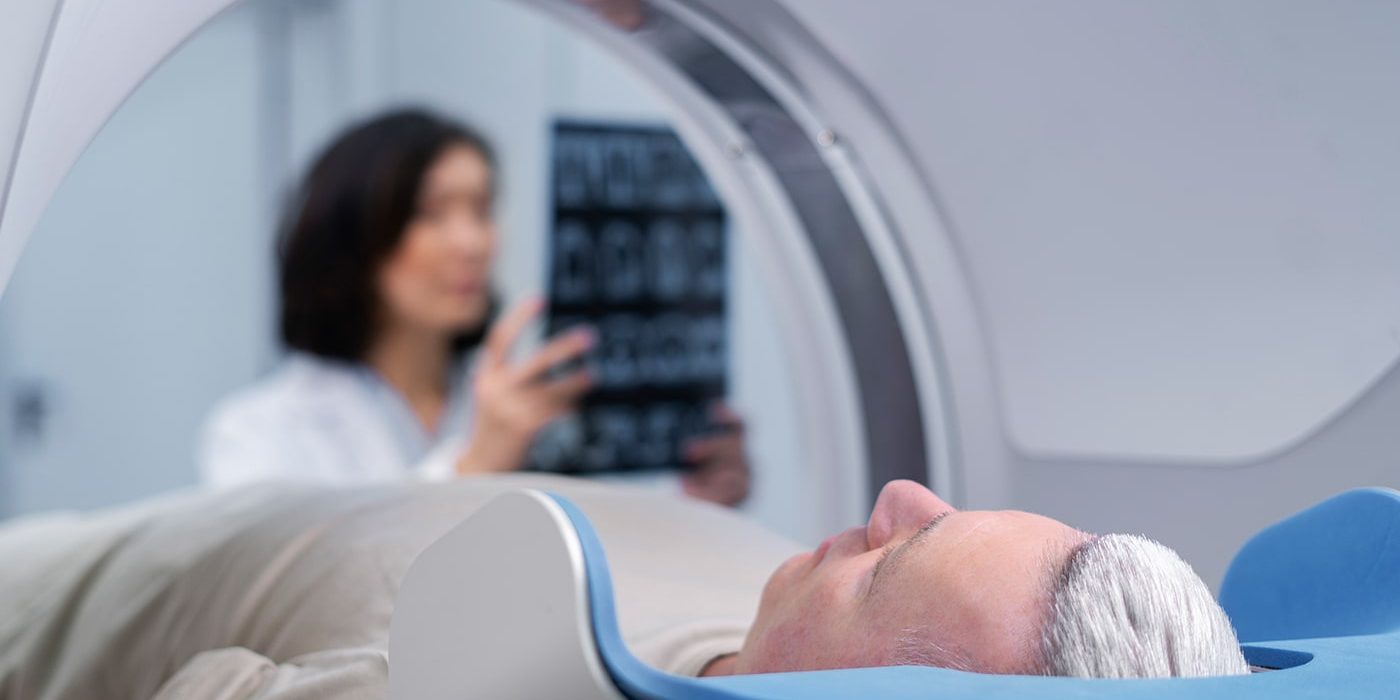
DEXA scanning at Gulf Lab & Radiology uses dual-energy X-ray absorptiometry to provide precise measurement of bone mineral density (BMD), enabling early detection of osteoporosis and objective monitoring of treatment response.
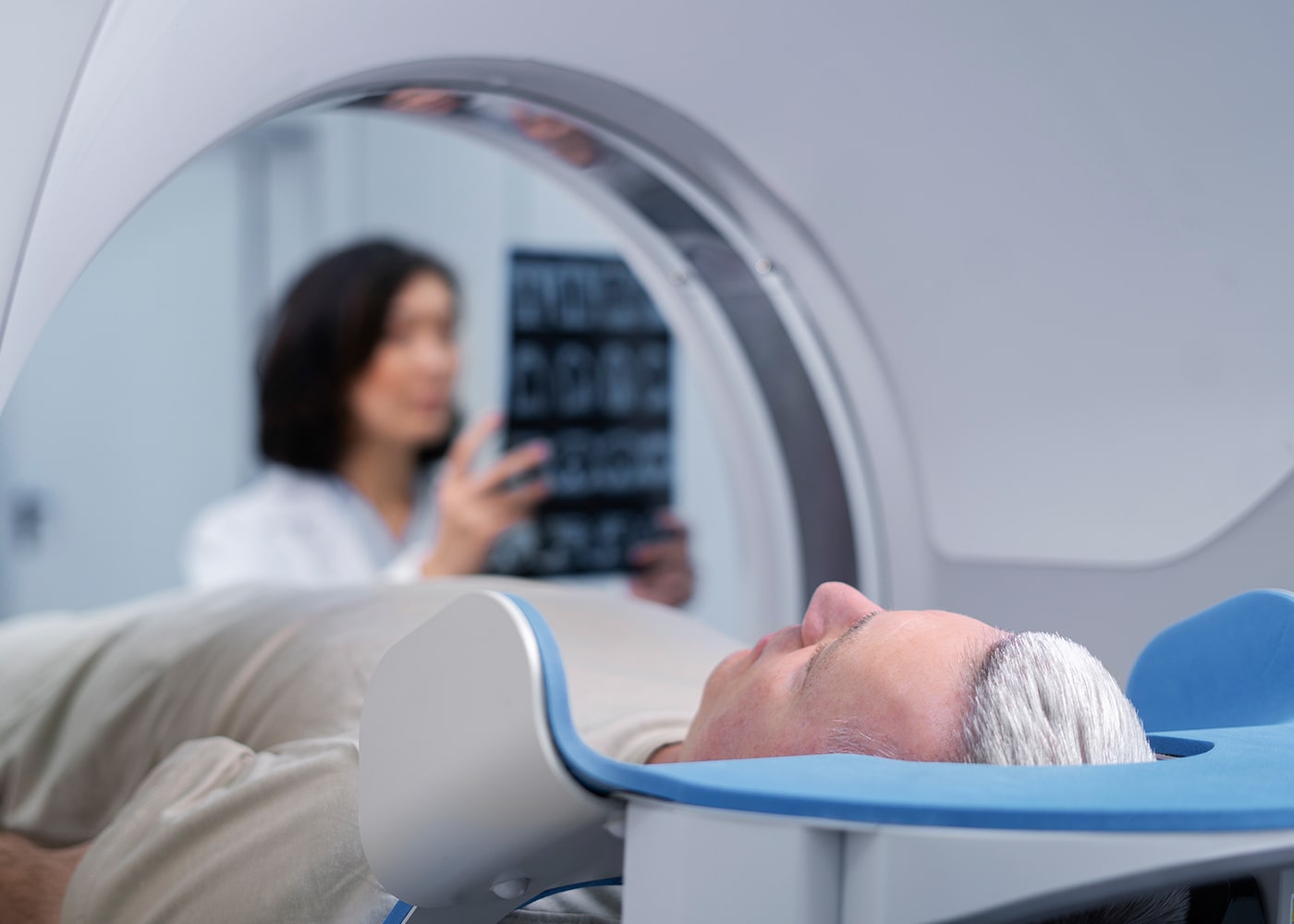
DEXA Scan Overview
Our system measures lumbar spine and hip BMD and generates a WHO T-score report, which is used by clinicians to stratify fracture risk and guide anti-osteoporotic therapy decisions.
- Osteoporosis screening & fracture risk stratification
- Serial BMD monitoring for treatment response
- Lumbar spine (L1u2013L4) and proximal femur measurement
- Body composition: lean mass & adipose tissue distribution
- Radiation dose: Extremely low (<1 u03bcSv)
- Results: Same day with WHO T-score report
Frequently Asked Questions
DEXA is recommended for: women over 65 and men over 70 (routine screening), post-menopausal women under 65 with risk factors, patients on long-term corticosteroids, patients with conditions associated with bone loss (rheumatoid arthritis, inflammatory bowel disease), and anyone with a history of fragility fracture.
Wear comfortable clothing without metal fastenings. Avoid calcium supplements for 24 hours before the scan. If you have recently had a CT scan or barium study involving contrast, inform our team as residual contrast can affect DEXA measurements.
The T-score compares your bone density to that of a healthy young adult of the same sex. A T-score of -1.0 to -2.5 indicates osteopenia; below -2.5 indicates osteoporosis. The Z-score compares your bone density to others of the same age, sex, and ethnicity.
A standard lumbar spine and hip DEXA takes approximately 15u201320 minutes. A full body composition scan adds an additional 10u201315 minutes.
Repeat interval depends on your baseline result and treatment status. For patients on treatment, a repeat scan every 1u20132 years is typical. For monitoring without treatment, every 2u20133 years is often sufficient. Your physician will advise the appropriate interval.